Health
Ethiopia has one of the highest rates of mother, infant and child mortality in the world.
Health Posts
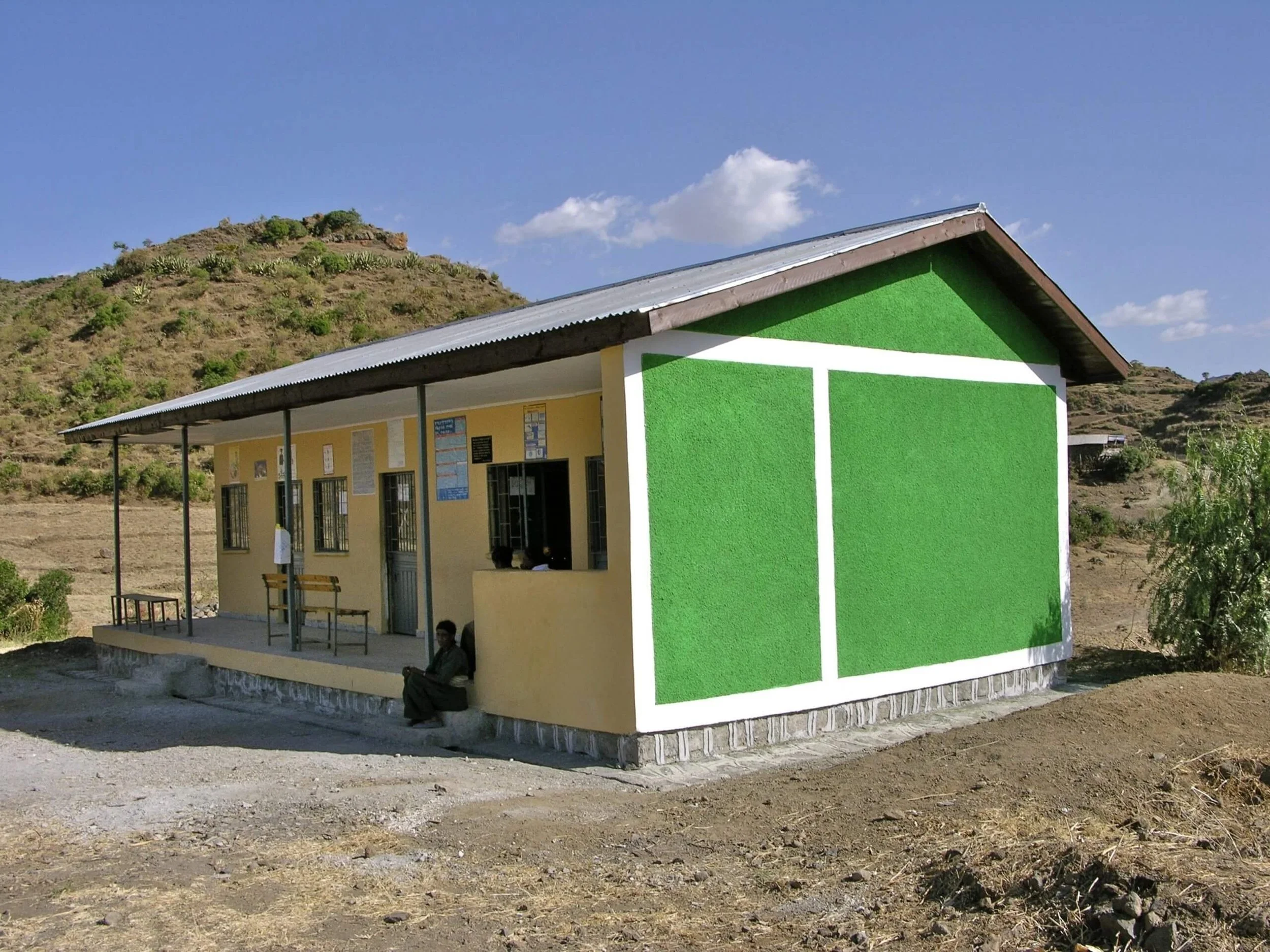
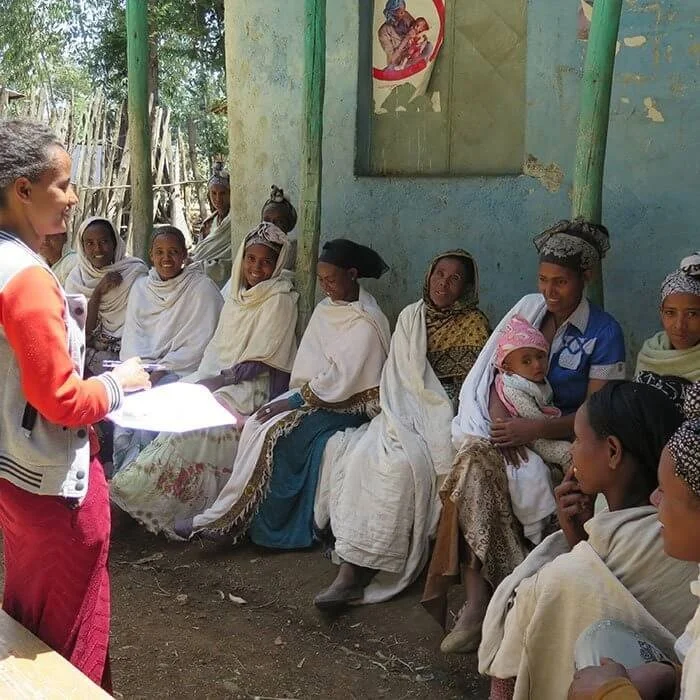
Almost 87% of Ethiopia’s population live in rural areas where the construction of major local health facilities is not economic and in 2003 the Federal Government introduced a huge community health extension programme. It focused on Health Posts, with a target – now virtually achieved – of one Health Post in every kebele. A kebele is an administrative unit with typically a 4,000 – 8,000 population.
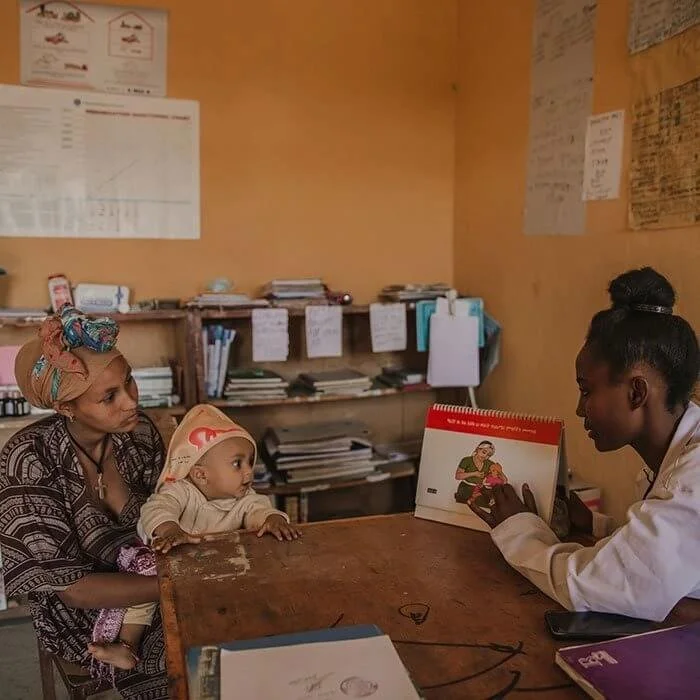
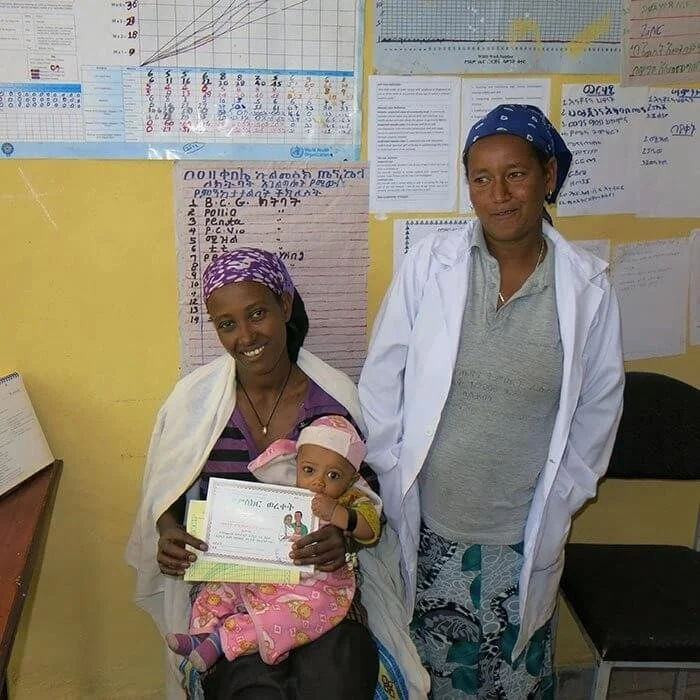
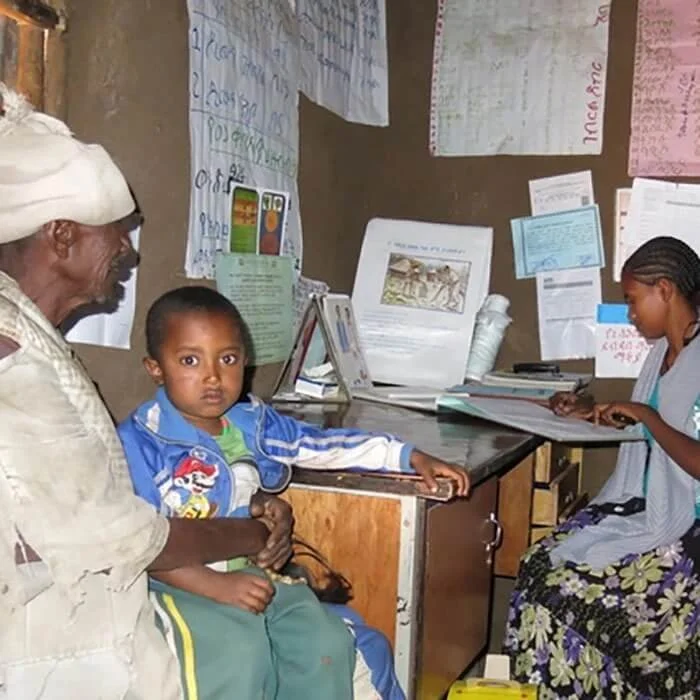
Each Health Post is staffed with 2 or 3 Health Extension Workers (HEWs), employed by the woreda (local government). They are all female with a minimum Grade 10 education and a 1 – 2 year training period in theory and practical. They spend more than 50% of their time on home visits which often means arduous treks in the mountains with their equipment. Their work is mainly preventive concentrating on hygiene, clean water and nutrition. Additionally, HEWs provide maternity care, baby care, vaccinations, and family planning advice and materials. The most frequent problems are malnutrition, water-borne diseases including typhoid, acute respiratory infections, parasites, and malaria. HIV/AIDS, pneumonia, and TB are not uncommon. They also provide basic first aid.
We are highly impressed with the work of these ladies. Major health issues are referred to the nearest Health Centre or the Maternity Unit in Lalibela Hospital.
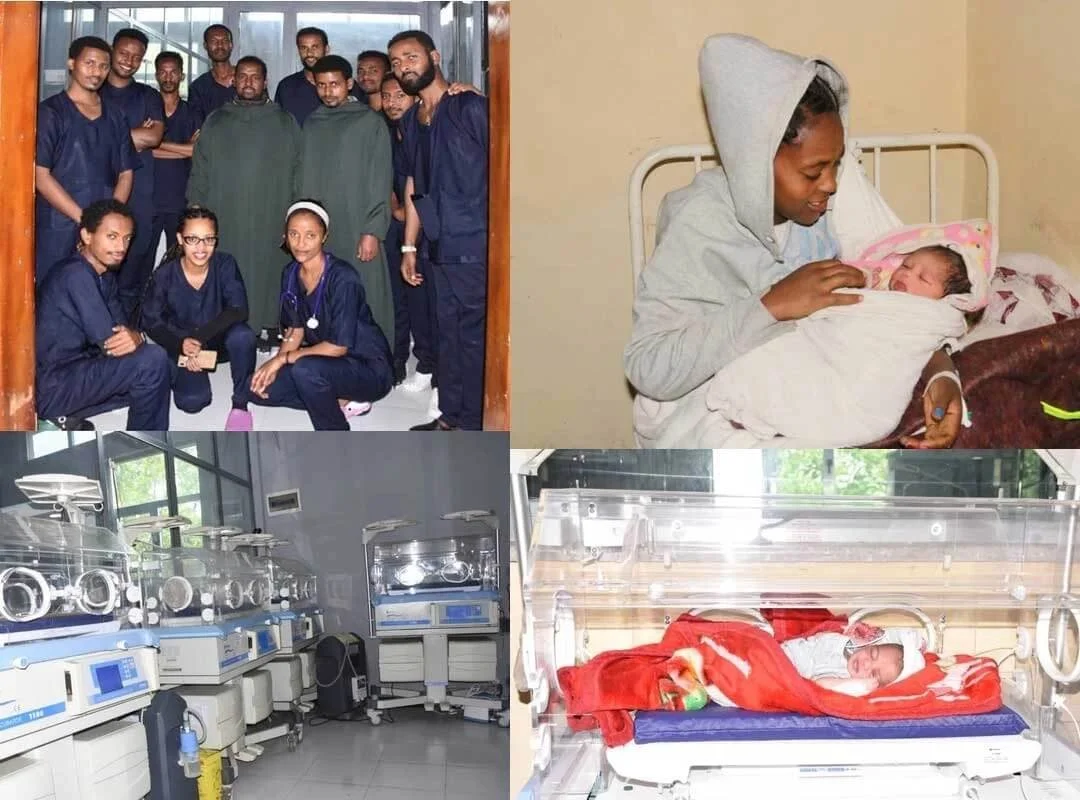
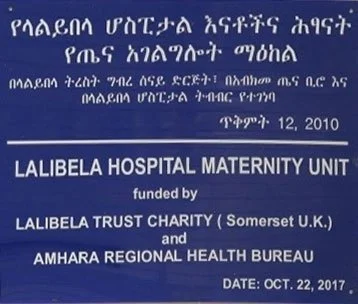
Lalibela Hospital Maternity Unit
“A dream comes true”
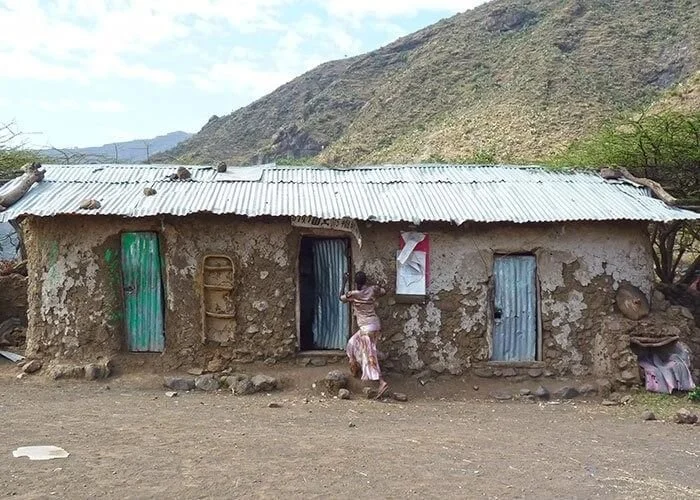
During their first trip to Ethiopia in 2003, Dr and Mrs Sharp, the founders of Lalibela Trust, visited Lalibela and were horrified at the conditions they saw in the Hospital, especially in relation to maternity services. They determined that Lalibela Trust, with their own family savings, should construct a modern Maternity Unit separate from the main Hospital, but in the same campus, completed in 2020. A valuable by-product of the Maternity Unit is that it allowed the whole Hospital to be upgraded in the Ethiopian hierarchy. There are now 18 doctors, compared with only one 10 years ago, plus 125 other medically qualified staff in a total team of 280.